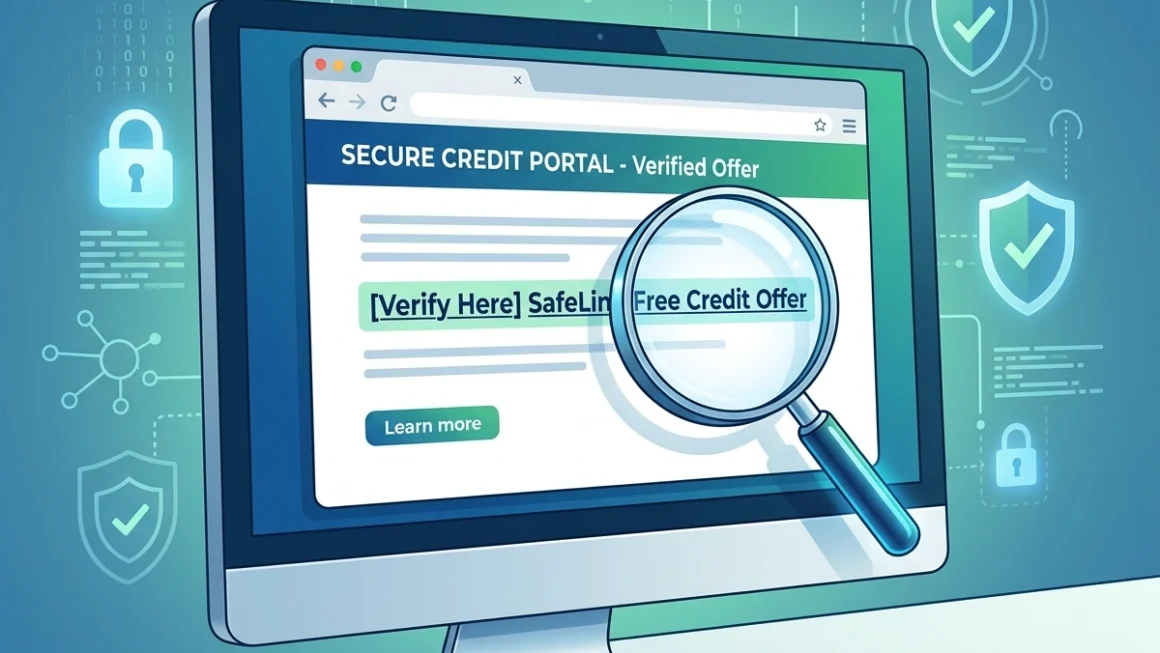
Free credit offers pop up everywhere these days. You see them in emails, social media ads, text messages, and pop-up banners. They promise bonus credits, cash rewards, or special perks just for clicking a single link. Some are genuine. Many are not. Knowing how to tell the difference can protect your money, your personal data, and your peace of mind.
This guide walks you through exactly what these offers are, how to spot the warning signs, and the practical steps you can take to verify any link before you click. Whether you live in a big city or a small town, online safety matters to everyone. Let’s break it down in plain language.
What Are Link Free Credit Offers?
A link free credit offer is a promotion that promises free credits, bonus funds, or rewards when you click a link and sign up. You’ll often find these in the gaming, gambling, fintech, and rewards-app industries. The basic idea is simple: a company gives you a small amount of free value to get you in the door, hoping you’ll stay and spend later.
Legitimate businesses use these offers as marketing tools. They want new customers, and free credits are a proven way to attract them. For example, a trusted platform might offer a link free credit promotion to welcome first-time users and let them try a service risk-free.
The problem is that scammers copy this exact playbook. They create fake offers that look real, then use them to steal your login details, install malware, or drain your bank account. That’s why verification is so important before you ever click.
Common Red Flags of Fraudulent Offers
Scam offers often share the same warning signs. Once you learn to spot them, fake deals become much easier to avoid. Watch out for these red flags:
- Too good to be true. If an offer promises huge amounts of free money with no conditions, be skeptical. Real rewards come with reasonable limits.
- Urgency and pressure. Phrases like “Act now!” or “Only 2 minutes left!” push you to click before you think.
- Spelling and grammar errors. Professional companies proofread their messages. Sloppy writing is a major warning sign.
- Requests for sensitive information. Be cautious if a link asks for your Social Security number, full banking details, or passwords upfront.
- Unknown senders. An offer from a company you’ve never heard of, or from a random email address, deserves extra scrutiny.
- Mismatched branding. Logos that look slightly off, blurry images, or odd color schemes often signal a copycat site.
- Strange payment requests. Legitimate free offers don’t ask you to “pay a small fee” to unlock your reward.
If you notice even one of these signs, slow down and verify before doing anything else.
Step-by-Step Verification Tips
Verifying an offer takes just a few minutes, and it can save you from serious trouble. Follow these steps every time you encounter a new link free credit deal.
1. Check the URL Structure
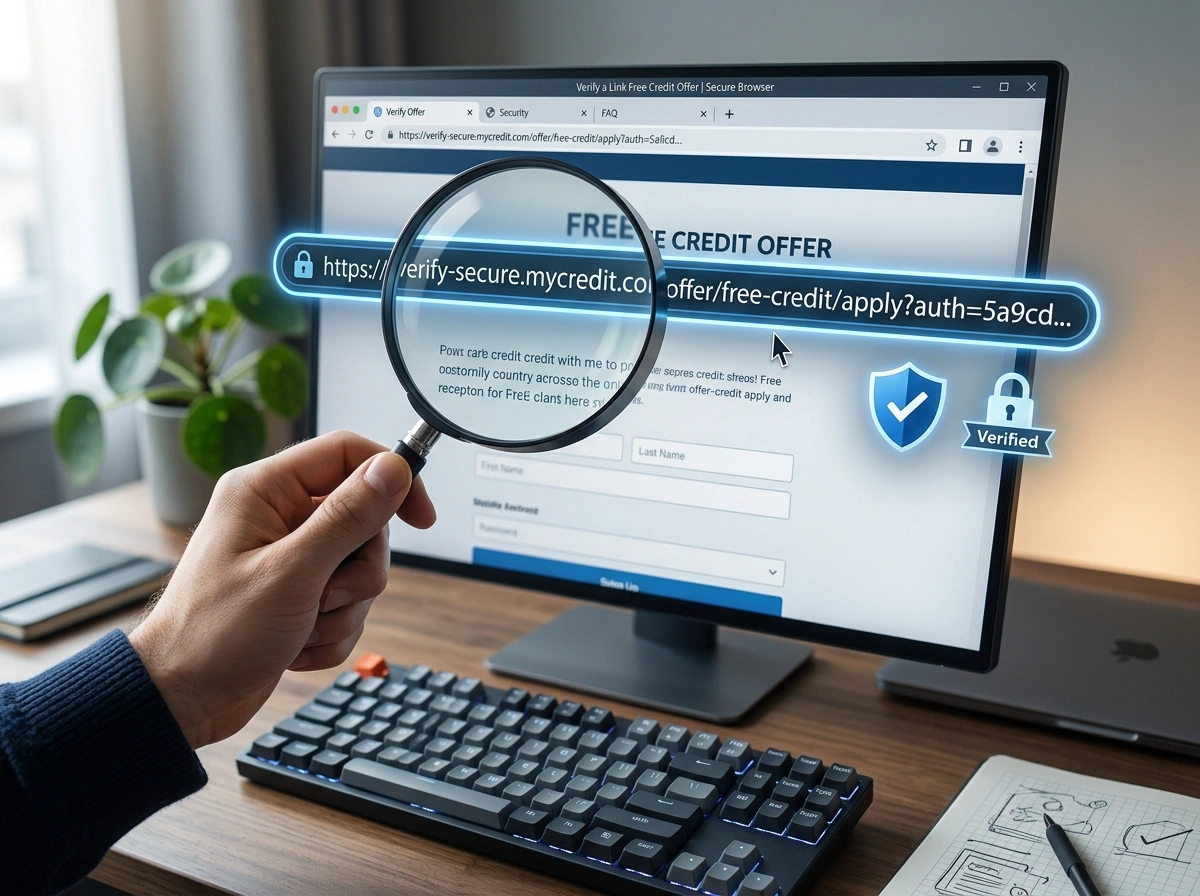
The web address tells you a lot. Hover your mouse over the link without clicking to see where it actually leads. Look closely at the full address.
- Make sure the domain name is spelled correctly. Scammers use tricks like “paypa1.com” instead of “paypal.com.”
- Watch for extra words or random characters before the main domain.
- Be wary of link shorteners that hide the real destination. When in doubt, use a link-expander tool to reveal the true address.
2. Verify the SSL Certificate
A secure website uses encryption to protect your data. You can spot this by checking for two things:
- The web address should start with https://, not just http://.
- A padlock icon should appear in your browser’s address bar.
Keep in mind that a padlock alone doesn’t guarantee safety. Some scam sites now use basic SSL certificates too. Treat the padlock as one clue, not the whole answer.
3. Look Up the Domain Age
Most scam websites are brand new because they get shut down quickly. You can check how old a domain is using free WHOIS lookup tools online. Just enter the website address and review the registration date.
- A domain registered only days or weeks ago is a warning sign.
- Established, trustworthy sites usually have a history of several years.
4. Check Sender Credibility
If the offer arrived by email or message, investigate the source carefully.
- Look at the full sender email address, not just the display name.
- Search the company name online along with words like “scam” or “review.”
- Visit the company’s official website directly by typing it into your browser instead of clicking the link.
- Confirm the business has real contact information, including a physical address and customer support.
5. Read Reviews and Reputation Signals
Other people’s experiences are some of the best evidence you’ll find. Before clicking, do a little homework.
- Search for independent reviews on trusted platforms.
- Check social media for customer comments and complaints.
- Look for the company on consumer protection sites like the Better Business Bureau.
- Be cautious if you find no reviews at all, or only suspiciously perfect ones posted on the same day.
Best Practices for Staying Safe Online
Beyond verifying individual offers, a few smart habits will keep you protected over the long run. These practices work no matter where you live or which devices you use.
- Keep your software updated. Browsers and operating systems release security patches regularly. Install them promptly.
- Use strong, unique passwords. A password manager makes this easy and prevents one breach from exposing all your accounts.
- Turn on two-factor authentication. This adds an extra layer of protection even if someone steals your password.
- Install reputable security software. Good antivirus tools can flag dangerous links before you click them.
- Never reuse banking passwords for promotional sites or rewards programs.
- Trust your instincts. If something feels off, it probably is. There’s no harm in walking away from an offer.
- Report suspicious offers. In the United States, you can report scams to the Federal Trade Commission. Doing so helps protect others too.
Teach Your Family and Friends
Online safety works best when everyone practices it. Older relatives and younger users are often the most targeted. Share these tips with the people you care about. A quick conversation could stop someone from falling for a costly scam.
Why a Few Minutes of Caution Pays Off
It’s tempting to click instantly when free rewards are on the line. But the few minutes you spend verifying an offer are far cheaper than the cost of a stolen identity or an emptied account. Scammers count on people acting fast and thinking later. When you flip that habit, you take away their biggest advantage.
Legitimate companies will never punish you for being careful. A real offer will still be there after you’ve checked the URL, confirmed the SSL certificate, and read a few reviews. If an offer disappears the moment you slow down, that tells you everything you need to know.
Conclusion
Free credit offers can be genuinely rewarding when they come from trustworthy sources. The key is learning to separate the real deals from the dangerous ones. By spotting common red flags, checking URL structures, verifying SSL certificates, reviewing domain age, confirming sender credibility, and reading honest reviews, you give yourself a powerful set of tools to stay safe.
Make verification a habit, not an afterthought. Combine it with smart online practices like strong passwords and updated software, and you’ll navigate promotional offers with confidence. The next time a tempting deal lands in your inbox, you’ll know exactly what to do: pause, verify, and only then decide whether to click. Your safety is always worth those extra few minutes.