
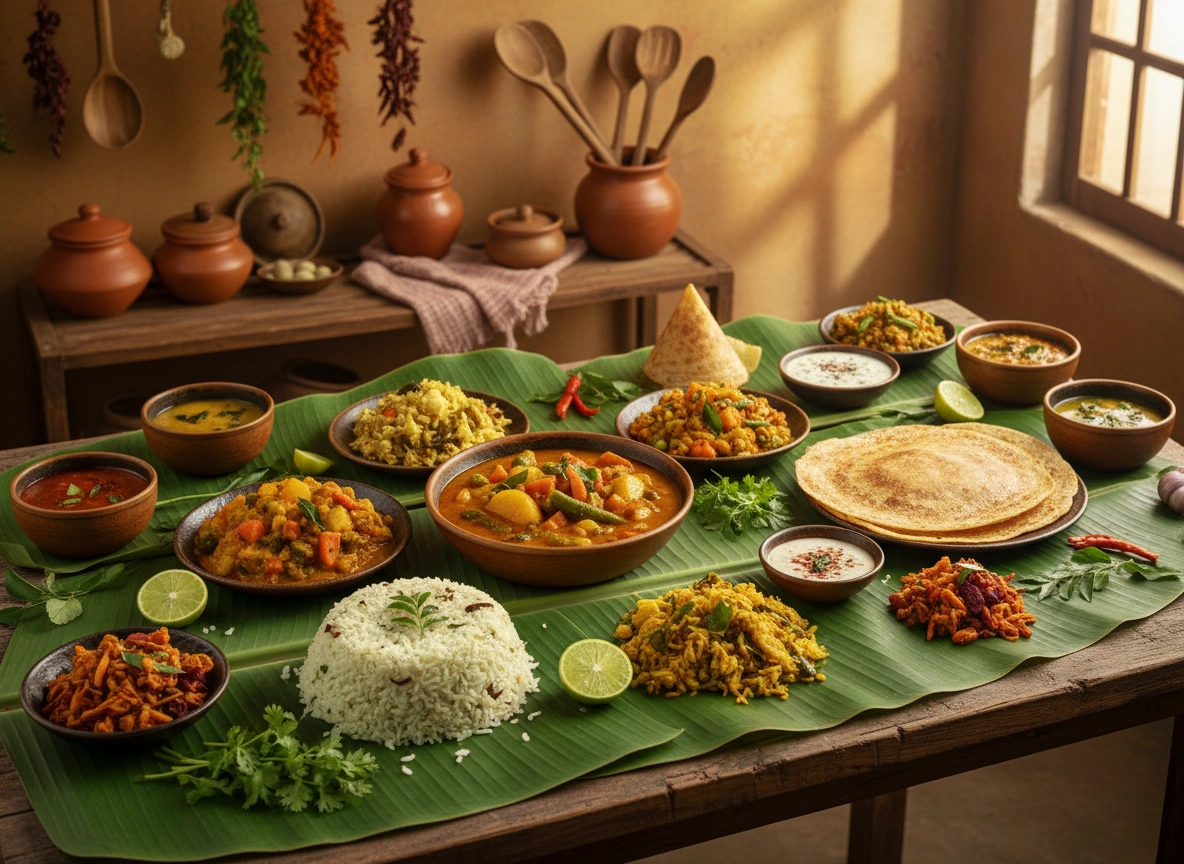
Tamil Nadu, a state in the southernmost part of India, boasts a culinary heritage that is as ancient and rich as its history. While often associated with vibrant spices and complex flavors, this region’s cuisine is also a treasure trove for those following a plant-based lifestyle. Many traditional Tamil dishes are inherently vegan, built upon a foundation of rice, lentils, vegetables, and a symphony of spices. This makes exploring Tamil Nadu through its food an accessible and delightful journey for vegans.
This article will guide you through the diverse and flavorful world of Tamil Nadu’s vegan cuisine. We will explore iconic breakfast items, hearty main courses, and the unique ingredients that give these dishes their character. You will discover how this ancient culinary tradition naturally aligns with modern vegan principles, offering a rich and satisfying experience for any food lover.
The Vegan Foundation of Tamil Cuisine
At its core, traditional Tamil Brahmin and much of the regional cooking is vegetarian. This culinary philosophy is deeply rooted in cultural and religious practices that emphasize non-violence and purity. The cuisine relies heavily on locally grown produce, lentils, and grains, making it naturally friendly to veganism.
The key is understanding what to look for. While dairy products like yogurt (thayir) and ghee (clarified butter) are used in some preparations, they are often additions rather than essential components. Many dishes are cooked with vegetable oils like sesame or coconut oil. By simply being mindful and asking for dishes without dairy, a vast and delicious vegan menu opens up. The emphasis is always on fresh, seasonal ingredients, which means the flavors are bright, distinct, and deeply satisfying.
A Vegan’s Guide to a Day of Tamil Meals
From a light breakfast to a fulfilling dinner, you can enjoy a full day of delicious vegan meals in Tamil Nadu. The variety is staggering, offering different textures, flavors, and experiences with each dish.
Breakfast: A Hearty and Healthy Start
Breakfast in Tamil Nadu, often called ‘tiffin’, is a celebrated meal. Many of the most popular items are completely vegan.
- Idli: These soft, fluffy steamed cakes are made from a fermented batter of rice and urad dal (black lentils). They are light, easy to digest, and a staple across South India. Served hot, idlis are the perfect vehicle for soaking up flavorful accompaniments.
- Dosa: A world-famous dish, the dosa is a thin, crispy crepe also made from a fermented rice and lentil batter. While some restaurants might add ghee, you can easily request yours be made with oil. Dosas come in many forms, from the plain and simple sada dosa to the masala dosa, which is filled with a spiced potato mixture.
- Pongal: There are two main types of Pongal. Sakkarai Pongal is a sweet version made with jaggery, but Ven Pongal is the savory breakfast staple. It’s a comforting, porridge-like dish made from rice and moong dal, cooked until soft and seasoned with black pepper, cumin, and cashews fried in oil. Ensure it’s not finished with ghee to keep it vegan.
- Idiyappam: Also known as string hoppers, idiyappam consists of delicate nests of rice flour vermicelli, steamed to perfection. Its neutral flavor makes it an excellent base for both sweet and savory partners.
The Perfect Pairings: Chutneys and Sambar
No Tamil breakfast is complete without its accompaniments. These side dishes are where an explosion of flavor happens, and most are entirely plant-based.
- Sambar: This flavorful lentil-based stew is a cornerstone of Tamil cuisine. It’s made with toor dal, tamarind broth, and a special blend of spices known as sambar powder. It is packed with vegetables like drumsticks, carrots, pumpkin, and eggplant. Sambar is tangy, spicy, and deeply aromatic.
- Coconut Chutney: The most common chutney, this simple blend of grated coconut, green chilies, ginger, and a tempering of mustard seeds and curry leaves is creamy, fresh, and mildly spicy.
- Tomato Chutney (Thakkali Chutney): A tangy and spicy alternative, this chutney is made by cooking down tomatoes with onions, red chilies, and spices. It offers a robust flavor that cuts through the richness of other dishes.
Lunch and Dinner: The Main Event
Lunch is often the most substantial meal of the day, traditionally served on a banana leaf in what is known as a ‘saapadu’. This full meal consists of a serving of rice surrounded by a variety of small dishes.
- Rice: The centerpiece of every meal. Steamed white rice is the standard, providing a neutral canvas for the surrounding flavors.
- Poriyal/Kootu: These are vegetable side dishes. A poriyal is a simple stir-fry or sauté of vegetables like beans, carrots, or cabbage, seasoned with mustard seeds, urad dal, and grated coconut. A kootu is a thicker vegetable and lentil stew, often made with gourds or greens.
- Kuzhambu: This is a tamarind-based gravy that is poured over rice. Vatha Kuzhambu is a popular vegan version made with sun-dried vegetables (vathal) and a host of spices, offering a complex, tangy, and spicy profile.
- Rasam: A thin, peppery soup, rasam is another essential part of the meal. Made with a base of tamarind juice, tomatoes, and spices like black pepper, cumin, and coriander, it is known for its digestive properties and soul-soothing warmth.
- Appalam/Papad: Crispy, thin lentil crackers are served on the side for a delightful crunch.
The Spice Box: Secrets of Tamil Flavor
The magic of Tamil Nadu’s cuisine lies in its masterful use of spices. The region’s spice blends are complex and carefully balanced to create layers of flavor.
The essential tempering, or ‘thalipu’, is the foundation of many dishes. This involves frying spices in hot oil to release their aromatic compounds. A typical thalipu includes mustard seeds, urad dal, curry leaves, and dried red chilies. This simple step adds immense depth and a characteristic crunch.
Key spices include:
- Tamarind: Provides a distinctive sour and tangy flavor, forming the base of kuzhambu and rasam.
- Asafoetida (Hing): A pungent spice that, when cooked, imparts a savory, onion-like flavor. It is crucial for flavoring lentil dishes.
- Fenugreek Seeds: Used sparingly, these seeds add a slightly bitter, nutty note that balances other flavors.
- Curry Leaves: Unrelated to curry powder, these fresh leaves add a unique, citrusy, and slightly pungent aroma that is quintessentially South Indian.
The Global Appeal of Tamil Vegan Food
As interest in plant-based diets grows worldwide, Tamil cuisine is gaining recognition for its naturally vegan-friendly offerings. Its focus on whole foods, complex carbohydrates from lentils and rice, and an abundance of vegetables aligns perfectly with healthy eating trends.
The dishes are not just “vegan alternatives”; they are complete, time-tested recipes that have been enjoyed for centuries. The use of fermentation in idli and dosa batter also adds nutritional benefits, making the food easier to digest and increasing nutrient bioavailability. Food enthusiasts and chefs globally are drawing inspiration from Tamil Nadu’s cooking techniques and flavor combinations, incorporating its bold spices and wholesome ingredients into modern menus.
From the bustling streets of Chennai to the tranquil temples of Madurai, the flavors of Tamil Nadu offer a profound culinary experience. For vegans, it is a particularly welcoming destination, proving that a plant-based diet can be incredibly diverse, delicious, and deeply rooted in tradition. Exploring this cuisine is not just about eating; it’s about experiencing a culture that has mastered the art of turning humble, plant-based ingredients into extraordinary food.
Please visit website for more info.

