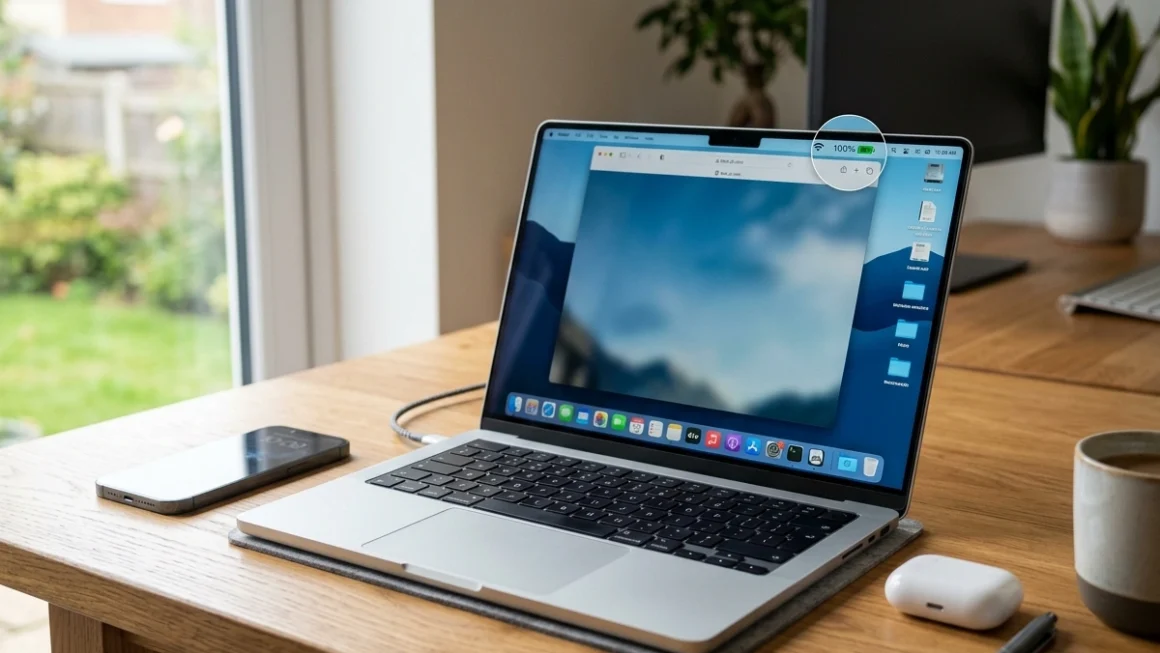
Buying a new device should feel exciting, not overwhelming. Yet the moment you start shopping, the choice between a laptop and a tablet can stop you in your tracks. Both promise speed, style, and convenience. Both come with glowing reviews. So how do you know which one actually fits your life?
The truth is, there’s no single right answer. The best device depends on how you work, where you go, and what you expect to get done each day. In this guide, we’ll break down the key factors that matter most, compare the strengths and weaknesses of each, and help you make a confident decision. By the end, you’ll know exactly which device deserves a spot in your bag.
Why This Decision Matters More Than You Think
A laptop and a tablet may look similar from a distance, but they serve very different purposes. Pick the wrong one, and you could end up frustrated by sluggish performance or stuck carrying extra gear you don’t need.
Americans are buying more personal tech than ever, from students and remote workers to creators and frequent travelers. With high adoption rates across every region, the device you choose can shape your productivity for years. That’s why it pays to slow down and weigh your real needs before you swipe your card.
Let’s look at the factors that should guide your choice.
Portability: Light Travel vs Full Workstation
Portability is often the first thing people consider, and for good reason.
Tablets Win on Pure Convenience
Tablets are slim, light, and easy to slip into a small bag. If you commute on a train, hop between coffee shops, or simply want something to read and browse on the couch, a tablet feels effortless. Most weigh around a pound, and you can hold one comfortably for hours.
Laptops Offer a Trade-Off
Laptops are heavier, but modern ultrabooks have closed the gap. Many now weigh under three pounds and slide easily into a backpack. The trade-off is worth it if you need a full keyboard and a larger screen wherever you go.
Micro-conclusion: If featherweight portability is your top priority, lean tablet. If you want a portable workstation, a lightweight laptop is the smarter pick.
Performance: Power Under the Hood
Performance separates casual browsing from serious work.
What Laptops Bring to the Table
Laptops generally pack more power. They handle demanding software, multitasking with dozens of browser tabs, video editing, and large spreadsheets without breaking a sweat. If your work involves heavy programs or you run several apps at once, a laptop’s processor and memory give you breathing room.
Where Tablets Shine
Tablets have grown remarkably capable. High-end models now rival laptops for everyday tasks like streaming, note-taking, light photo editing, and web browsing. For most casual users, a modern tablet is more than enough.
Still, when you push into professional-grade software, laptops keep the lead. Think coding, 3D design, or running multiple monitors.
Micro-conclusion: Choose a laptop for heavy lifting and a tablet for everyday tasks done with ease.
Use Cases: Match the Device to Your Routine
The best way to decide is to picture your typical day.
A Tablet Fits If You:
- Mostly browse, stream, and check email
- Love reading, drawing, or taking handwritten notes
- Want a second screen alongside a phone or computer
- Value touch-first navigation and quick startup
A Laptop Fits If You:
- Type long documents, reports, or emails daily
- Run professional software or manage large files
- Need a real keyboard and trackpad for productivity
- Juggle many apps and tabs at the same time
Many people find their answer the moment they map their routine. If you’re still torn, the experts at lapzoo.com offer side-by-side comparisons and hands-on reviews to help you match a device to your exact needs.
Battery Life: How Long Can You Go Unplugged?
Battery life can make or break your day, especially when outlets are scarce.
Tablets typically stretch further on a single charge, often lasting 10 hours or more thanks to efficient chips and simpler tasks. That makes them ideal for long flights, road trips, or all-day study sessions.
Laptops have improved dramatically, with many premium models now reaching all-day battery life. However, power-hungry tasks like video rendering drain them faster. If you frequently work far from a charger, factor this in carefully.
Micro-conclusion: Tablets usually edge out laptops on endurance, but high-end laptops are catching up fast.
Price: Getting the Most for Your Money
Budget is where many decisions land, and the price range for both devices is wide.
Tablet Pricing
Entry-level tablets are surprisingly affordable, making them a great value for casual use. But add a keyboard case, a stylus, and premium storage, and the cost can climb close to laptop territory.
Laptop Pricing
Budget laptops start low and deliver solid everyday performance. Higher-end machines cost more, but you get power, storage, and longevity built in. For many buyers, a mid-range laptop offers the best balance of price and capability.
A smart tip: total up the cost of accessories before you decide. A “cheap” tablet can become pricey once you add the extras you’ll actually need.
Productivity: Getting Real Work Done
If productivity is your goal, the details matter.
Laptops were built for work. A physical keyboard, a precise trackpad, robust file management, and full desktop software make them the go-to for writing, analysis, and multitasking. Switching between apps feels natural and fast.
Tablets have made impressive strides with detachable keyboards and desktop-style features. For lighter workflows, they’re genuinely productive. But heavy multitasking and complex software still feel smoother on a laptop.
If your work depends on serious output, a laptop remains the dependable choice. If your tasks are lighter and you crave flexibility, a tablet can absolutely keep up.
Common Mistakes to Avoid
Before you buy, steer clear of these pitfalls:
- Ignoring accessory costs. A tablet plus keyboard and stylus can rival a laptop’s price.
- Overbuying power you’ll never use. Don’t pay for performance your daily tasks don’t require.
- Underestimating storage needs. Files, photos, and apps add up quickly.
- Skipping hands-on research. Specs only tell half the story—comfort and feel matter too.
Avoiding these traps saves money and prevents buyer’s remorse.
How to Make Your Final Decision
Ready to choose? Walk through these quick steps:
- List your top three daily tasks. Be honest about what you actually do.
- Set a realistic budget, including accessories.
- Weigh portability against power. Which matters more to you?
- Check battery needs based on how often you’re unplugged.
- Read trusted, hands-on reviews before you commit.
Take your time with each step. A few minutes of planning now prevents months of frustration later.
The Bottom Line
Choosing between a laptop and a tablet comes down to one question: how do you plan to use it? Tablets win on portability, battery life, and effortless everyday tasks. Laptops dominate when it comes to power, productivity, and serious work. Neither is “better”—they’re simply built for different jobs.
The smartest move is to match the device to your real routine, not the hype. Picture your typical day, set your budget, and prioritize the features that matter most to you.
When you’re ready to compare specific models side by side, visit Lapzoo.com for detailed reviews, honest comparisons, and expert buying guides. Find the device that fits your life—and start getting more done today.